
Strategies for freehold and condo acquisition
01
Financial qualification
Validating financing via stress tests strengthens negotiation leverage, allowing buyers to move swiftly when turnkey listings appear in seller's markets with tight supply.

02
High-yield district scouting
Identifying growth zones involves analyzing infrastructure projects and school catchment areas, which historically drive capital appreciation in metropolitan commuter belts.

03
Transaction procedures
Finalizing acquisitions demands attention to land transfer taxes and disbursements, ensuring all adjustment costs are accounted for before deed registration occurs.

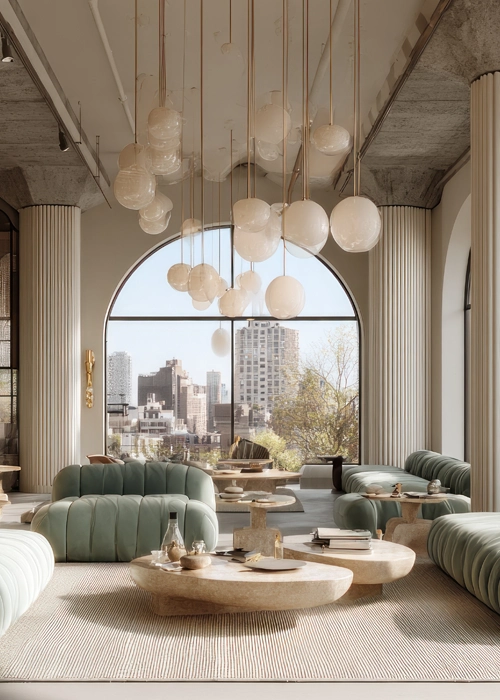
Cultivating Scandi-style interiors
Provincial markets and urban hubs

British Columbia’s Pacific coast
Rainforests meet prime oceanfronts, offering mild climates and year-round rental potential.

Alberta’s alpine foothills
Proximity to national parks defines a lifestyle centered on recreational properties.
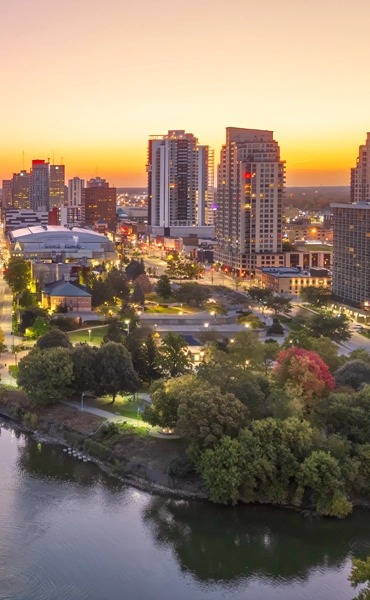
Ontario’s Golden Horseshoe
Diverse industries drive housing demand in densely populated corridors along the Great Lakes.
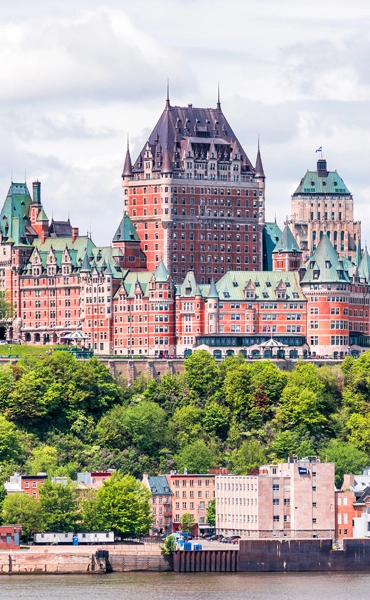
Quebec’s heritage heart
Period architecture blends seamlessly with vibrant artistic communities and cultural tourism.

Atlantic coastal life
Communities value coastal traditions, marine economies, and an affordable pace of living.
Retrofitting and building standards
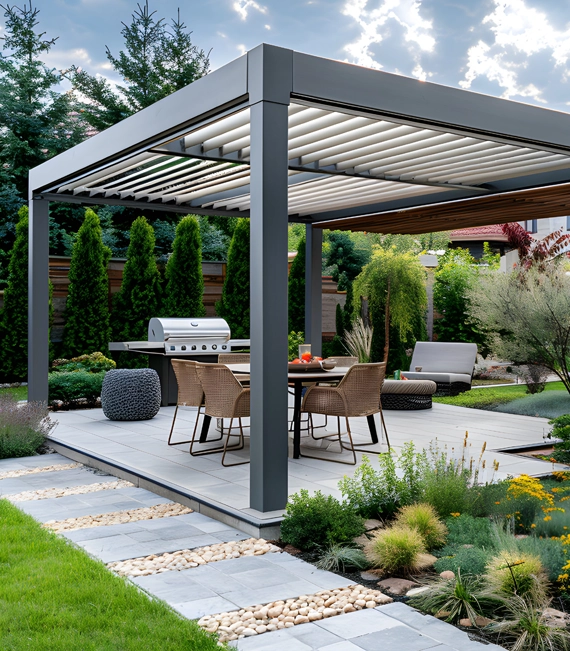
Maximizing valuation and usage
Smart home management
Optimizing OpEx operations
Discovering domestic getaways

Pacific Rim expeditions
Tofino offers storm-watching and surfing experiences along pristine, untouched reserves.
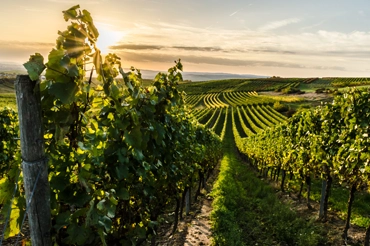
Niagara agritourism region
Estate wineries produce renowned ice wines amidst scenic cycling circuits.

Gaspesie scenic drives
Percé Rock anchors a spectacular heritage route through charming maritime hamlets.
Future urbanism trends
Sustainable densification
Biophilic facades appear in major city centers to combat heat islands. Architects prioritize mixed-use zoning combining residential units with retail, reducing reliance on vehicles and fostering walkable precincts centered around transit hubs.
Adaptive reuse of brownfield sites preserves historical character while providing bespoke housing, breathing life into gentrified districts without the embodied carbon cost of demolition.