Blog
Canada’s cultural landscape extends far beyond iconic landmarks and breathtaking scenery. The true essence of Canadian travel lies in those moments when you’re shucking lobster with locals at a coastal wharf, sharing stories at an impromptu kitchen party, or savoring ice wine while learning about the rigorous standards that define its quality. These experiences transform a simple visit into a meaningful connection with the living heritage that shapes Canadian communities.
For travelers seeking depth rather than superficiality, understanding the cultural nuances, seasonal rhythms, and authentic traditions of Canada opens doors to experiences that guidebooks often miss. From the maritime provinces’ fishing traditions to the refined world of VQA-certified wines and the sweet legacy of maple syrup production, this exploration reveals how to engage respectfully and meaningfully with Canadian culture.
Why Cultural Immersion Transforms Your Canadian Journey
The difference between visiting Canada and experiencing Canada lies in your willingness to engage with the stories, traditions, and people that define each region. Cultural immersion means moving beyond tourist attractions to participate in the daily rhythms and seasonal celebrations that locals cherish. When you understand why lobster season brings entire communities together, or how a kitchen party spontaneously erupts in a Newfoundland home, you gain insight into the values of hospitality, resilience, and community that underpin Canadian identity.
This approach to travel also carries responsibility. Engaging with living heritage requires respect for the hardships and challenges that shaped these traditions. The romantic image of coastal fishing life, for instance, can obscure the economic struggles and environmental concerns that fishing communities face. Authentic cultural tourism acknowledges both the beauty and the complexity, creating space for genuine exchange rather than performative consumption.
Maritime Heritage and Coastal Traditions
Canada’s Atlantic provinces hold some of the country’s most distinctive cultural traditions, shaped by centuries of fishing, shipbuilding, and the rhythms of the sea. These aren’t museum pieces—they’re living practices that continue to define community life and identity along the shores.
Understanding Lobster Season Culture
Lobster season in maritime Canada isn’t simply a commercial fishing period—it’s a cultural phenomenon that dictates community schedules, family gatherings, and social calendars. The season varies by fishing zone, with some areas opening in late spring and others in fall, creating a rolling celebration across the provinces. When boats return to harbor, there’s an unspoken etiquette that visitors should understand: respect the working space of fishers, ask permission before photographing equipment or catches, and recognize that these are livelihoods, not tourist attractions.
Many coastal communities welcome visitors to lobster suppers and wharf-side experiences, but these invitations come with expectations. Purchase directly from local sellers when possible, learn the sustainable practices that protect lobster populations, and engage with the stories fishers share about changing ocean conditions and multi-generational knowledge. This transforms a meal into an education about marine stewardship and economic resilience.
The Art of Kitchen Parties
In Newfoundland and parts of Nova Scotia, the kitchen party represents the pinnacle of maritime hospitality. Unlike formal entertainment, these gatherings emerge organically—someone pulls out a fiddle, voices join in traditional songs, and the kitchen becomes a performance space where everyone participates. For visitors, being invited to a kitchen party is both an honor and a test of cultural sensitivity.
The process for finding authentic kitchen parties requires patience and genuine connection. They can’t be scheduled or purchased; they happen through relationships built in local pubs, community halls, or by staying in small B&Bs where hosts might extend an invitation. When you do find yourself in this setting, the etiquette is straightforward: contribute to the spirit (through song, story, or simply engaged listening), respect the intimacy of the gathering, and understand that you’re being trusted with something precious. This isn’t entertainment for your benefit—it’s cultural expression that you’ve been permitted to witness.
Canadian Food and Wine Experiences That Tell Stories
Canada’s culinary landscape offers more than delicious products—it provides windows into climate adaptation, agricultural innovation, and the craft traditions that turn natural resources into celebrated specialties. Understanding the standards, processes, and myths surrounding these foods deepens appreciation and helps travelers make informed choices.
Ice Wine Excellence and VQA Standards
Canadian ice wine represents one of the country’s most distinctive contributions to global viticulture, particularly from Ontario’s Niagara region and British Columbia’s Okanagan Valley. What many visitors don’t realize is that the term “ice wine” in Canada is legally protected by VQA (Vintners Quality Alliance) standards that are among the strictest in the world. Grapes must freeze naturally on the vine at temperatures of -8°C or colder, be harvested while frozen, and be pressed immediately to concentrate the sugars.
These rigorous requirements explain both the premium pricing and the exceptional quality. When visiting wineries, ask about the challenges of ice wine production—the risk of losing entire crops to wildlife or unexpected thaws, the middle-of-the-night harvests when temperatures finally drop sufficiently, and the tiny yields that require roughly five times more grapes than table wine. This context transforms tasting from simple consumption to appreciation of agricultural artistry.
Maple Syrup Traditions and the “Liquid Gold” Reality
Quebec produces over 70% of the world’s maple syrup, making it a defining element of Canadian identity and economy. Yet the romantic image of syrup production—quaint sugar shacks and simple tree-tapping—can obscure the sophisticated agricultural practices and strict grading systems involved. Modern maple operations use vacuum tubing systems, reverse osmosis, and precise temperature control, though many maintain traditional techniques for visitor experiences.
When exploring maple culture, understanding the grading system enhances your selections. Canadian maple syrup is classified by color and taste: Golden (delicate), Amber (rich), Dark (robust), and Very Dark (strong). Each suits different applications, from finishing dishes to baking. The risk of “sugar headaches”—that overwhelming sweetness some visitors experience at sugar shacks—comes from consuming too many concentrated sugar products in one sitting. Pace yourself, and focus on learning the production process rather than maximizing consumption.
Serving and Pairing Local Delicacies
Canadian specialty foods shine brightest when served with understanding of their intended contexts. Ice wine, for instance, is often misunderstood as merely a dessert wine. While it pairs beautifully with blue cheese, foie gras, or fruit-based desserts, it also complements spicy cuisines where its sweetness balances heat. Serve it well-chilled (4-6°C) in smaller pours—the intensity means a little goes far.
Similarly, premium maple syrup shouldn’t be relegated to pancakes alone. Dark grades enhance glazes for salmon or pork, while Golden syrup can finish roasted vegetables or elevate vinaigrettes. Local cheeses from Quebec, Ontario, and British Columbia have developed distinct regional characters that reflect their terroir—pair these with local wines or craft beers to create fully regional tasting experiences.
Debunking the Aging Potential Myth
A common misconception suggests that ice wine, like many premium wines, improves with extended aging. In reality, most Canadian ice wines are crafted to be enjoyed within five to seven years of vintage. While the high sugar and acidity provide preservation, the delicate aromatics and fresh fruit characteristics that make ice wine special gradually fade rather than evolve. Producers design these wines for relatively near-term consumption, not decades of cellaring. When selecting bottles, recent vintages often provide the most vibrant experience, challenging the assumption that older automatically means better.
Navigating Authenticity in Cultural Tourism
The increasing interest in cultural travel creates both opportunities and risks. How do travelers distinguish genuine cultural exchange from staged performances? And how can we engage with heritage without reducing it to entertainment?
Recognizing Craft and Storytelling Value
Authentic cultural experiences share common characteristics: they’re rooted in continuing practice (not historical reenactment), they serve the community first and visitors second, and they involve knowledge transmission rather than passive consumption. When an artisan explains why they use specific materials or techniques passed through generations, when a fisher describes reading weather patterns learned from their parents, or when a vintner walks you through the anxiety of waiting for freeze conditions—these moments carry storytelling value that transcends the product itself.
Look for experiences where locals are sharing their actual practices, not performing simplified versions for tourists. This might mean visiting during working hours rather than special events, asking questions that invite detailed answers, and showing genuine interest in challenges and changes rather than just celebrating traditions. Craft traditions evolve; authentic engagement means understanding both preservation and innovation.
Avoiding the Romanticization of Hardship
Perhaps the most delicate aspect of cultural tourism involves acknowledging that many cherished traditions emerged from necessity, isolation, or economic hardship. The resourcefulness celebrated in maritime communities—making music with whatever instruments were available, preserving foods through harsh winters, building communities in remote locations—came from limited alternatives, not romantic choice.
Contemporary cultural engagement requires holding two truths simultaneously: these traditions are genuinely valuable and worth preserving, and the hardships that created them shouldn’t be glamorized. When locals share stories of economic struggles, depopulation, or the declining viability of traditional livelihoods, resist the urge to frame these as “simpler times” or “authentic ways of life.” Instead, support the communities actively by:
- Purchasing directly from artisans and producers rather than through intermediary retailers
- Staying in locally-owned accommodations that employ community members
- Attending performances and events that compensate cultural practitioners fairly
- Advocating for policies that support traditional industries and cultural preservation
Planning Your Cultural Journey Strategically
Timing, preparation, and thoughtful selection determine whether your cultural exploration feels authentic or superficial. Understanding seasonal rhythms and making intentional choices about what you bring home maximizes both your experience and your positive impact.
Festival Timing Strategies
Canada’s cultural calendar reflects its diversity and seasonal extremes. Festival timing optimization requires balancing several factors: weather conditions, crowd sizes, authenticity of experience, and alignment with natural cycles. Summer festivals in tourist areas offer accessibility but can feel commercialized; shoulder season events often provide more intimate experiences with greater local participation.
Research whether festivals coincide with actual harvest seasons, fishing periods, or traditional celebration dates. A fall apple festival during actual harvest feels fundamentally different from a summer event trucking in produce. Similarly, winter carnivals in Quebec gain authenticity from their historical role in breaking cabin fever and celebrating survival through harsh conditions. Attend with understanding of the festival’s original purpose, not just its current tourist appeal.
Selecting Meaningful Souvenirs
Gift selection and personal souvenirs carry more weight than simple retail transactions—they’re decisions about what stories and values you carry home. Optimizing these choices means prioritizing items that represent genuine craft, support local economies, and hold meaning beyond their aesthetic appeal. A jar of single-producer maple syrup with the family’s story attached carries more significance than mass-produced versions in decorative bottles shaped like leaves.
When selecting souvenirs, consider these criteria:
- Can you identify the actual maker or producer? Items with attribution support individual artisans.
- Does the item reflect actual local materials and techniques, or could it be made anywhere?
- Will it prompt storytelling when you return home, sharing what you learned about the culture?
- Does the purchase price fairly compensate the skill and time invested in creation?
Canadian cultural tourism offers extraordinary depth to those willing to engage beyond surface attractions. By understanding maritime traditions, appreciating the rigor behind celebrated foods and wines, respecting the complexity of living heritage, and making strategic choices about timing and support, travelers transform themselves from spectators into participants. The kitchen parties, lobster feasts, and ice wine tastings become not just memories, but connections to the ongoing story of Canadian communities and the people who sustain their traditions against economic and environmental challenges. This approach to travel—curious, respectful, and engaged—enriches both visitor and host, creating exchanges that honor the past while supporting vibrant cultural futures.

Why does true Canadian Icewine command such a high price per bottle?
The high price of Canadian Icewine isn’t just about frozen grapes; it’s a direct reflection of a rigorously enforced “liquid gold standard” of quality and authenticity unique to Canada. Production is legally mandated to occur only when grapes are naturally…
Read more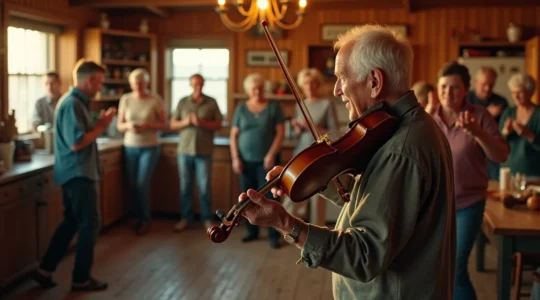
Why participating in local traditions is the key to understanding maritime resilience?
True understanding of Canadian maritime culture comes not from observing, but from respectfully participating in its unwritten social contracts. Resilience is found in the economic realities of industries like fishing, not in romanticized, “quaint” lifestyles. Access to authentic experiences like…
Read more