Travel & Holidays
Canada’s travel landscape extends far beyond postcard imagery, offering experiences that demand deeper engagement and thoughtful planning. From the temperate rainforests of Vancouver Island to heritage properties requiring specialized permits, from wine valleys shaped by unique terroir to maritime routes marked by lighthouse architecture, the country’s diverse regions present both extraordinary opportunities and practical considerations that shape every journey.
Understanding these destinations means recognizing the interplay between natural forces and human adaptation—where ferry schedules dictate access, seismic preparedness influences building choices, and seasonal shifts transform both landscapes and tourism infrastructure. Whether you’re drawn to storm-watching from coastal comfort, navigating Francophone cultural integration, or planning the ultimate road trip loop, each experience requires awareness of regional realities that go beyond typical tourist advice.
This exploration examines what makes Canadian travel distinctive: the logistics that enable remote adventures, the ethical frameworks for authentic engagement, the seasonal rhythms that reveal hidden opportunities, and the cultural preservation efforts that connect past and present. These insights provide the foundation for journeys that respect local complexities while unlocking experiences most visitors never encounter.
Understanding Canada’s Diverse Regional Landscapes
Canada’s geography creates distinct travel zones, each with defining characteristics that shape visitor experiences. The temperate rainforest ecosystem along British Columbia’s coast presents moss-covered forests receiving substantial annual precipitation, requiring travelers to embrace moisture management strategies and understand how this climate influences everything from architecture to outdoor gear selection.
Mountain communities offer a different set of dynamics, where elevation changes create microclimates and winter access challenges become primary planning considerations. These areas demand year-round preparedness for rapidly shifting weather conditions, with local knowledge about avalanche zones, wildlife corridors, and seasonal road closures proving essential for safe exploration.
Heritage regions throughout the country preserve architectural and cultural legacies through specific regulatory frameworks. Properties in these zones often involve Ministry of Culture permits and specialized artisan networks, creating unique travel experiences for those interested in how historical preservation intersects with contemporary living. These areas reveal the complexity of maintaining authentic character while accommodating modern tourism infrastructure.
Crafting Authentic Canadian Experiences
Authentic travel engagement requires moving beyond surface-level tourism toward deeper cultural connection. Ethical operators distinguish themselves through genuine community relationships, environmental stewardship practices, and transparent communication about their impact. These businesses prioritize educational value over entertainment spectacle, offering insights into local ecosystems, cultural traditions, and regional challenges.
Francophone community integration presents specific opportunities in regions where French language and culture shape daily life. Successful engagement involves understanding cultural protocols, supporting local establishments, and recognizing the historical context that created these distinct communities within Canada’s broader landscape.
The risk of superficial engagement increases when travelers prioritize checklist-style tourism over meaningful interaction. Culinary trails, historical routes, and cultural festivals offer frameworks for deeper exploration, but their value depends on approaching them with curiosity about local perspectives rather than simply collecting experiences. Off-season visits often provide more authentic encounters, when tourism infrastructure operates at a pace that allows for genuine conversation and observation.
Nature Adventures on Vancouver Island and Beyond
Vancouver Island’s Pacific edge delivers some of Canada’s most dramatic natural spectacles, from the powerful winter storms that draw weather enthusiasts to the coastal wildlife migrations that define seasonal rhythms. These experiences require understanding both the opportunities and inherent risks of engaging with raw natural forces.
Storm Watching and Coastal Dynamics
Winter storm season transforms the island’s western coast into a theater of natural power, where swell charts predict wave intensity and experienced observers know to respect rogue wave dangers while maintaining safe viewing distances. Proper gear selection—waterproof layers capable of withstanding horizontal rain, stable footwear for slippery rocks—separates comfortable observation from miserable endurance. Photography in these extreme wet conditions demands specialized equipment protection and an understanding of how mist and spray affect visibility.
Responsible Wildlife Viewing
Wildlife encounters along coastal British Columbia require ethical frameworks that prioritize animal welfare over photo opportunities. Booking timing influences success rates, with knowledgeable operators understanding seasonal patterns of whale migrations, bear feeding cycles, and bird nesting periods. Responsible viewing protocols maintain minimum distances, limit group sizes, and recognize when animal behavior indicates stress or disruption.
Hiking Trail Considerations
Trail difficulty assessments must account for factors beyond distance and elevation, including seasonal mud conditions, root systems that become slippery when wet, and coastal erosion that continuously reshapes paths. Local trail reports provide current conditions that static guidebooks cannot capture, revealing recent blowdowns, wildlife warnings, or temporary closures that affect route planning.
Wine Country and Culinary Journeys
British Columbia’s wine regions demonstrate how terroir differences—the complex interplay of soil composition, microclimate, and elevation—create distinct flavor profiles within relatively compact geographic areas. The Okanagan Valley’s hot, dry summers produce different characteristics than cooler coastal valleys, offering enthusiasts the opportunity to taste how environment directly influences viticulture.
Tasting etiquette basics extend beyond simple manners to enhance appreciation and learning. Wineries welcome curious visitors who ask thoughtful questions about production methods, varietal selection, and vintage variations. Understanding proper tasting sequence—typically moving from lighter to fuller-bodied wines—and using descriptive language about personal impressions rather than value judgments creates more engaging interactions with winemakers and educators.
Wine club memberships offer deeper connection to specific producers, providing access to limited releases and educational materials that develop palate sophistication over time. Cellar tour timing affects the experience significantly, with harvest season offering active production observation while quieter periods allow for more extensive conversation. The challenge with bus tour crowds highlights the value of independent exploration or smaller group bookings that permit genuine engagement rather than rushed sampling.
Road Tripping Through Canadian Scenery
The ultimate Canadian road trip loop—whether traversed clockwise or counter-clockwise—presents strategic decisions that affect everything from sunrise photography opportunities to traffic patterns. Direction choice influences when you encounter specific landscapes in optimal lighting conditions and how you experience elevation changes, with some routes revealing dramatic vistas more effectively in one direction.
Electric vehicle charging infrastructure requires advance planning in remote areas, where charging stations may be separated by distances exceeding typical EV ranges. Understanding charging network locations, connector types, and backup options prevents range anxiety from overshadowing the journey. Recent infrastructure investments have expanded coverage, but gaps remain in certain corridors.
Route logistics extend to practical considerations like seafood shack identification along coastal routes, where local knowledge distinguishes exceptional fresh catches from tourist-oriented mediocrity. Grade steepness warnings affect vehicle strain and brake wear, particularly on mountainous sections where sustained descents demand proper technique. Ferry dependency creates scheduling constraints that require building flexibility into itineraries, as missed sailings can cascade through carefully planned routes.
Heritage and Maritime Exploration
Canada’s maritime history lives on through lighthouse architecture that ranges from classic wooden towers to reinforced concrete structures designed to withstand extreme coastal conditions. Accessing these sites often requires obtaining keys from local authorities or coordinating with heritage organizations that maintain these structures, adding a layer of planning that rewards those willing to navigate bureaucratic processes.
Shipwreck story locations dot the coastline, marking where navigation hazards, weather conditions, or mechanical failures created maritime disasters. These sites connect visitors to the risks coastal communities historically faced and continue to manage. Coastal erosion progressively alters access paths, with some historical routes becoming impassable while new perspectives emerge as landscapes shift.
Museum stops provide essential context for understanding regional maritime heritage, housing artifacts, oral histories, and technical documentation that illuminate how coastal communities developed their distinctive character. The quality of these institutions varies significantly, with some offering world-class curation while others maintain more modest local collections that nonetheless preserve irreplaceable community memory.
Seasonal Timing and Practical Considerations
Off-season festival benefits reveal a different dimension of Canadian travel, when reduced crowds allow for meaningful interaction and local businesses operate at a pace conducive to conversation. Shoulder seasons often provide ideal conditions for those prioritizing authentic engagement over guaranteed weather, with the trade-off between climate predictability and tourism intensity requiring honest assessment of personal priorities.
Booking logistics timing affects both availability and pricing, with certain experiences requiring months of advance planning while others reward spontaneity. Understanding which category applies to specific activities—whale watching tours versus wine tasting appointments, heritage property tours versus hiking access—prevents disappointment and optimizes budget allocation.
Winter conditions introduce specific challenges across multiple domains: driving access requires appropriate tire selection and emergency preparedness, power outages become more frequent in storm-prone coastal areas, and outdoor activities demand different gear and skill levels. Yet these same conditions create opportunities for fireside downtime that encourages reflection and deeper appreciation of how seasonal extremes shape regional culture. Successful winter travel embraces these realities rather than fighting against them, finding value in the constraints that define Canadian experiences across the calendar.
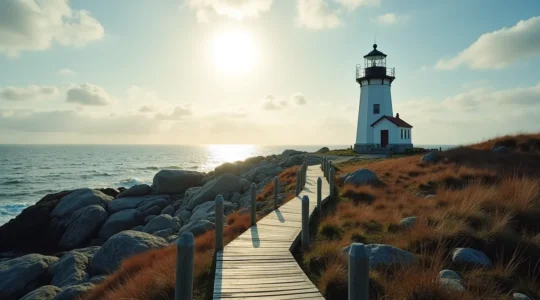
Reading the Coast: A Historian’s Guide to Canada’s Lighthouse Trails and Maritime Soul
Understanding Canada’s maritime history isn’t about visiting lighthouses; it’s about learning to read them as living documents written on the coastline. A lighthouse’s architectural “DNA”—from pepper-shaker to concrete—reveals its specific technological and historical era. Their modern survival depends on community…
Read more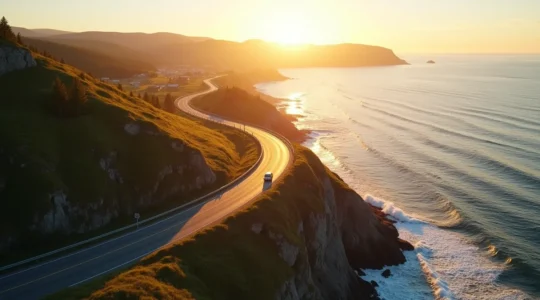
How to Plan the Route 132 Loop to See the Best of Gaspésie in 7 Days?
In summary: Drive the Route 132 loop counter-clockwise to keep the ocean on your right for safer stops and a more dramatic scenic reveal. Plan your electric vehicle charging using the Electric Circuit app, anticipating higher energy use on the…
Read more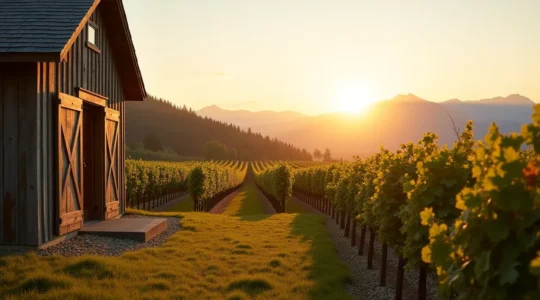
Beyond the Big Names: A Sommelier’s Guide to Planning a Self-Guided Tour of Canada’s Boutique Wineries
Planning a memorable tour of Canada’s small-batch wineries is less about logistics and more about adopting a sommelier’s mindset to decode a winery’s philosophy before you arrive. Focus on professional tasting techniques (spitting is essential) to properly evaluate multiple wineries….
Read more
Why November is the Ultimate Month to Experience the Pacific Coast’s Dramatic Weather
The secret to a perfect winter trip to Canada’s Pacific Coast isn’t avoiding the storms—it’s mastering the art of watching them. True storm-proof comfort comes not from expensive breathable gear, but from professional-grade waterproof layers. The most dramatic wave displays…
Read more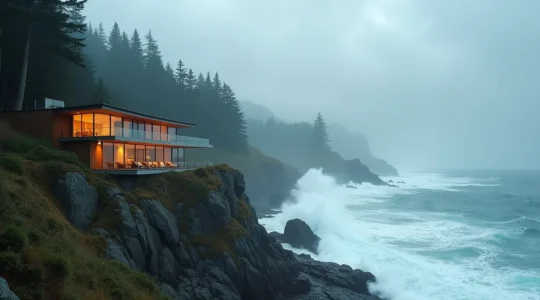
Tofino and Ucluelet: A Guide to Balancing High-End Luxury with Rugged Nature
True luxury on Vancouver Island’s west coast is not about amenities, but about adopting an ‘expedition mindset’ to safely access its raw beauty. Strategic planning, from booking campsites months in advance to understanding weather patterns, is paramount. Safety is non-negotiable;…
Read more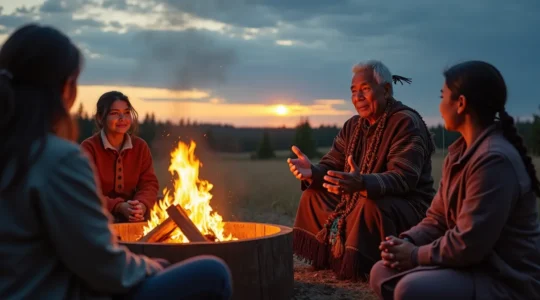
Why do indigenous tourism experiences offer a deeper connection to the land than standard tours?
The depth of an Indigenous tourism experience lies not in what you see, but in how you participate. Authentic encounters are about co-created experiences and reciprocal connection, moving beyond passive observation. True engagement means supporting businesses that exercise narrative sovereignty,…
Read more
Why renovating a heritage home in Old Quebec is a bureaucratic marathon worth running?
Renovating a Quebec heritage home is less about fighting bureaucracy and more about becoming a steward of history, a journey that significantly enhances both the property’s value and your connection to the community. The regulations are not arbitrary barriers but…
Read more
From Tourist to Local: A Guide to Canmore & Banff’s Unique Property Ownership Rules
In summary: Banff’s “Need to Reside” clause is non-negotiable and exists to preserve the community; vacation homes are not permitted. Canmore offers more flexibility, but property use is strictly dictated by zoning (Tourist Home vs. Residential). Short-term rentals (STRs) in…
Read more
Why the “Wet Coast” climate requires a completely different home maintenance strategy?
Your maintenance instincts from a drier climate are likely causing long-term damage to your new BC home. Aggressive cleaning like pressure washing strips protective layers, inviting moisture and rot. The constant dampness creates unique challenges—from roof-destroying moss to hidden structural…
Read more